
Make manual work as controlled as the rest of your factory.
ERP decides what to build and MES decides when. Manual assembly, the part that decides how, is often still run on paper and experience. Arkite closes that gap with one platform for every manual workstation.
Last updated
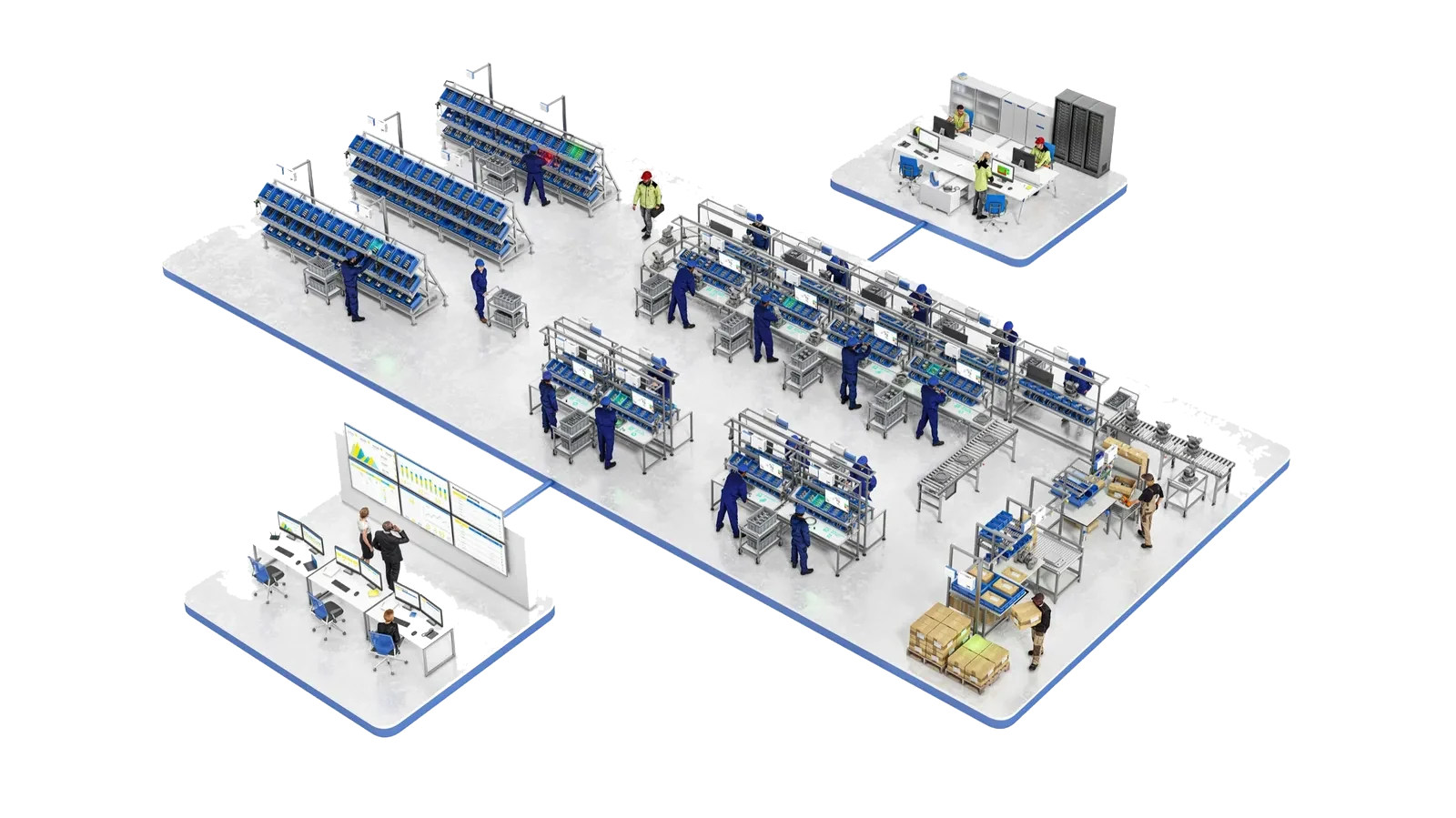
What plant directors and executives tell us.
-
Our ERP and MES are digital. Manual assembly still runs on paper and experience.
Digital gap
-
When experienced people leave, their knowledge leaves with them.
Knowledge retention
-
Quality differs between lines, shifts and plants.
Standardization
-
I cannot compare the performance of manual lines across sites.
Management information
One standard for manual work, from pilot to multi-plant.
-
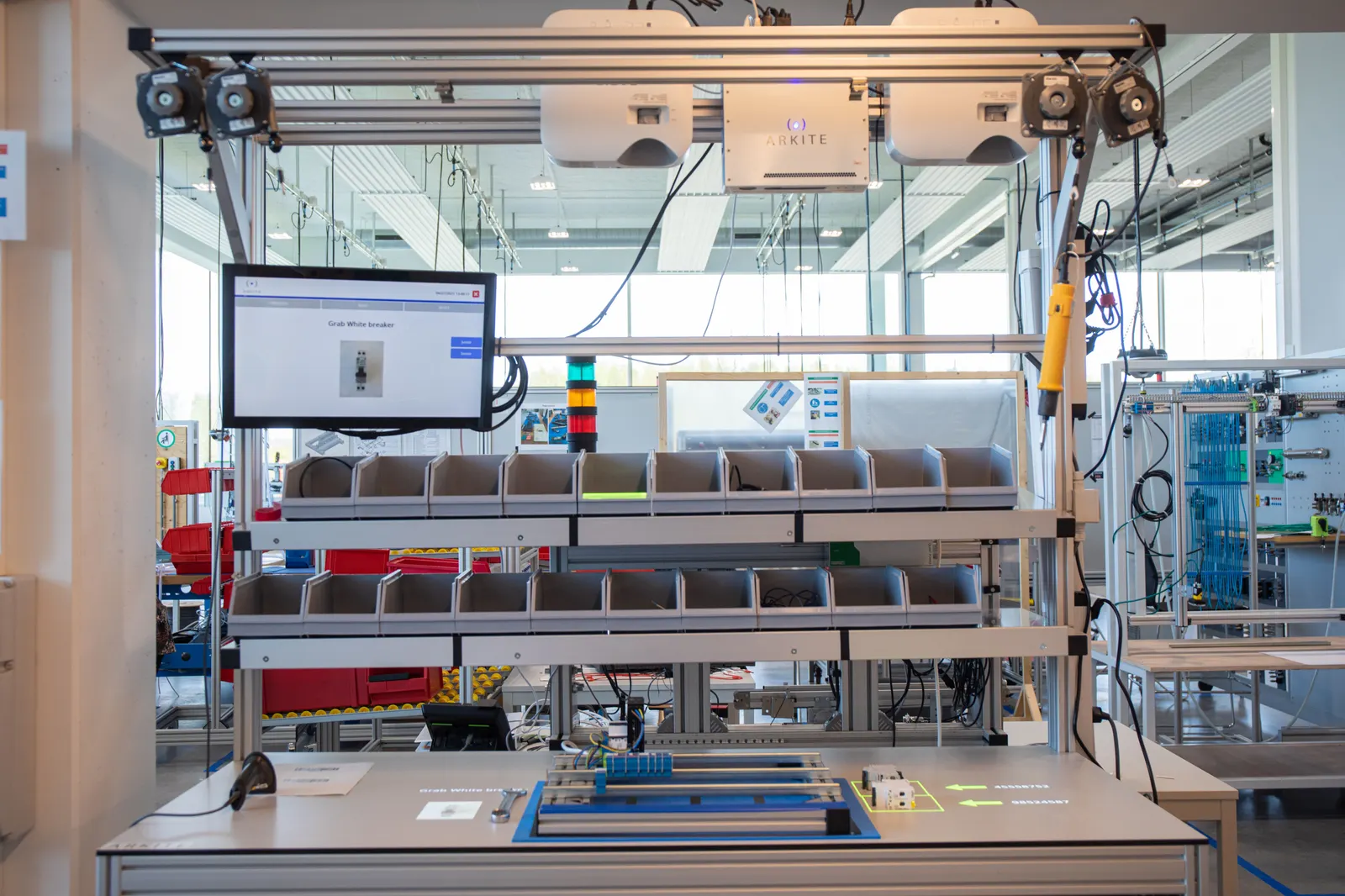 Arkite Platform 01The challenge
Manual operations are the least digitized part of the factory, and the part where most errors start.
How Arkite solves itThe missing layer in the digital manufacturing stack
Arkite connects the operator to the systems you already run. Jobs come from the MES, every step is guided and validated, and execution data flows back. Manual work becomes a defined, measurable process.
- ERP decides what, MES decides when, Arkite tells operators how
- Built on your existing systems
- Investment matched to risk with three levels
-
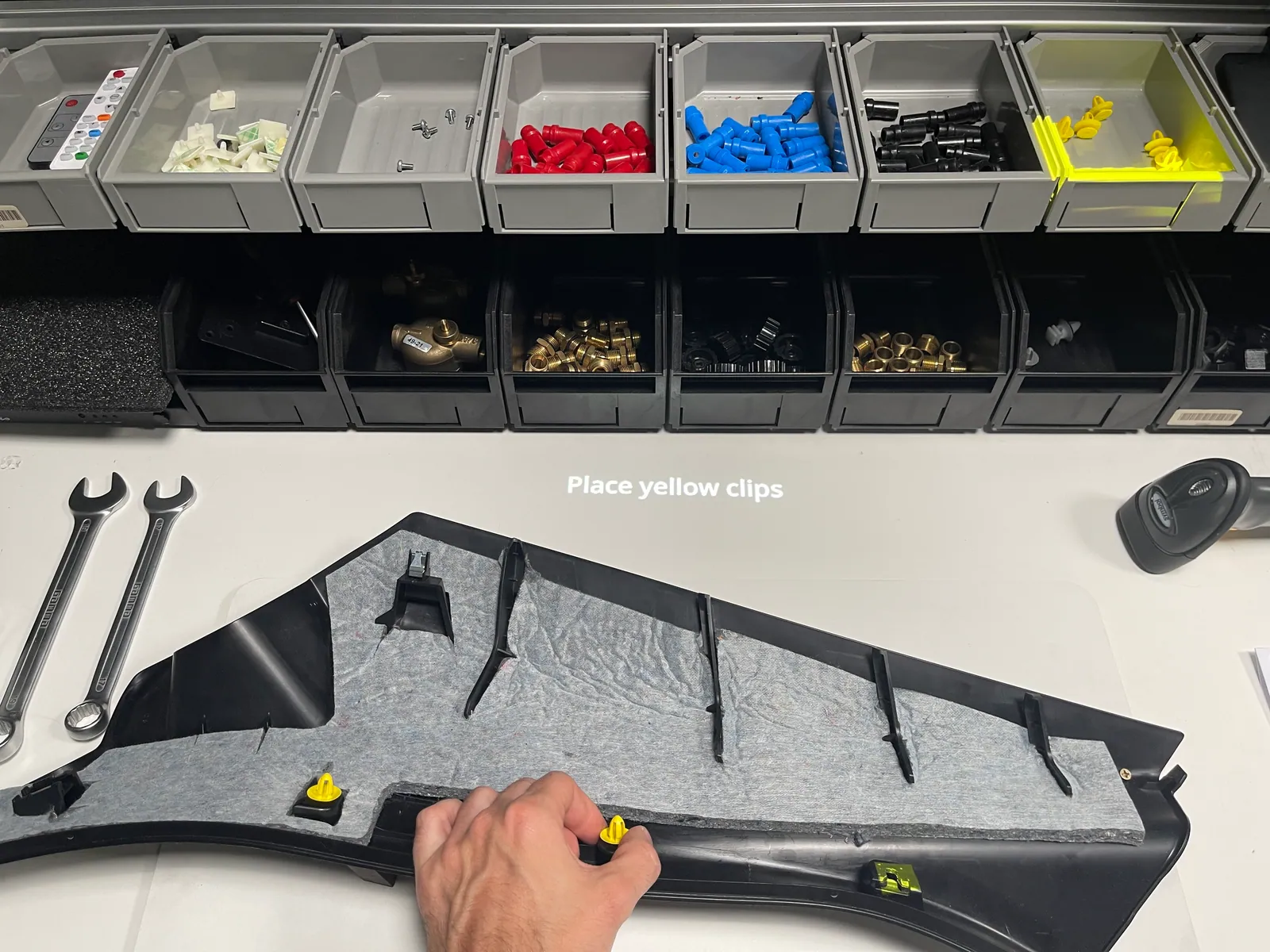 Arkite GUIDE 02The challenge
Know-how sits in the heads of experienced operators, and the labor market makes it hard to replace them.
How Arkite solves itKnowledge captured in the process, not in people
Every procedure is defined once and guided at the workstation, with experience levels that adapt to the operator. New and temporary staff work to the same standard as your best people.
- Less dependence on key individuals
- Faster onboarding of new staff
- A more flexible workforce
-
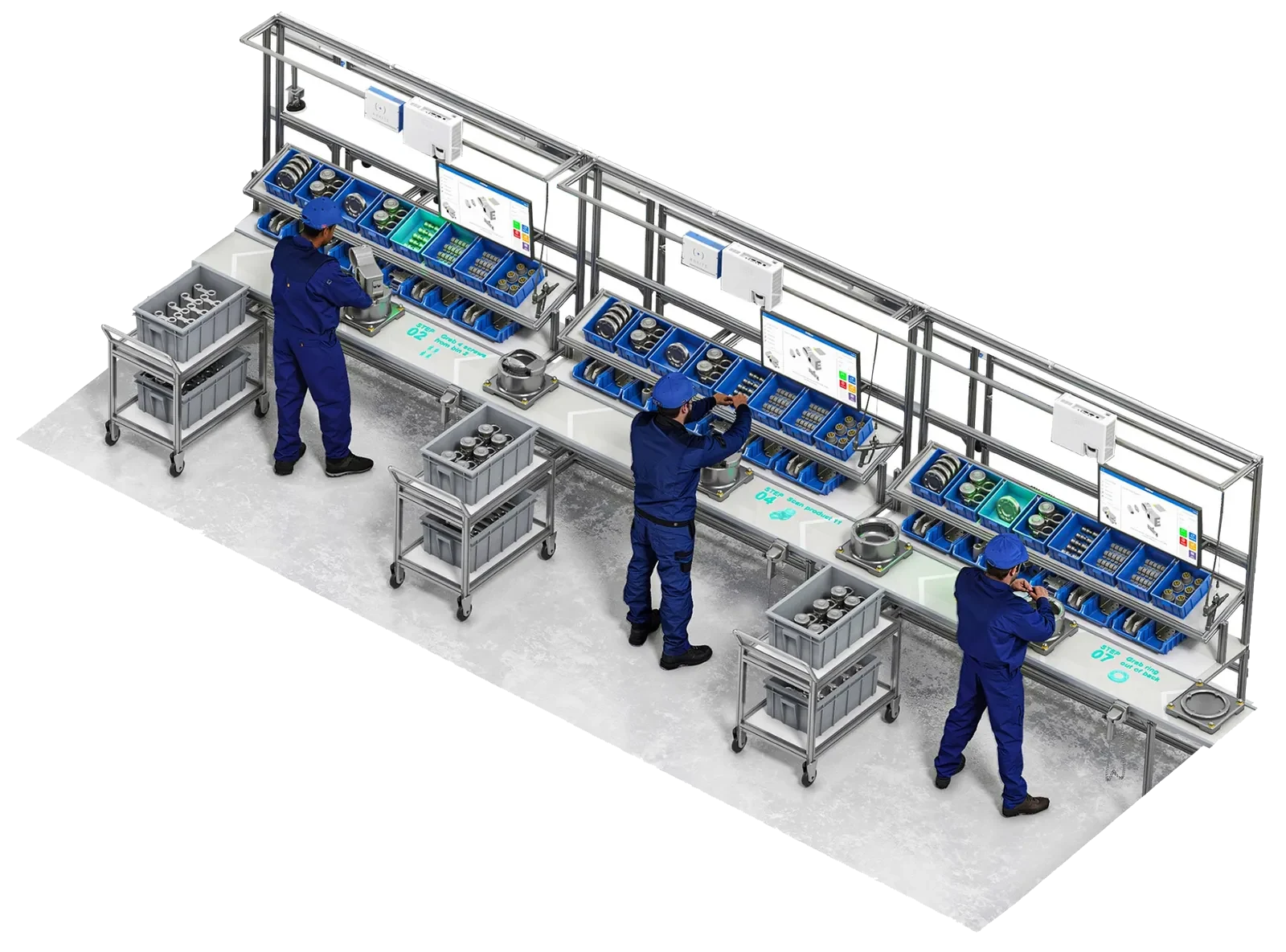 Arkite VALIDATE + VISION 03The challenge
Each line, shift and plant has its own way of working, and quality follows.
How Arkite solves itOne validated standard across lines and plants
The same released jobs run on every connected workstation. Validation and in-process inspection are added where the risk of errors is highest, on one software core.
- Same procedure everywhere
- Quality control where risk is highest
- Plant-wide and mixed-license models possible
-
 Arkite DATA 04The challenge
Decisions about manual lines are based on estimates, not data.
How Arkite solves itComparable data from every manual workstation
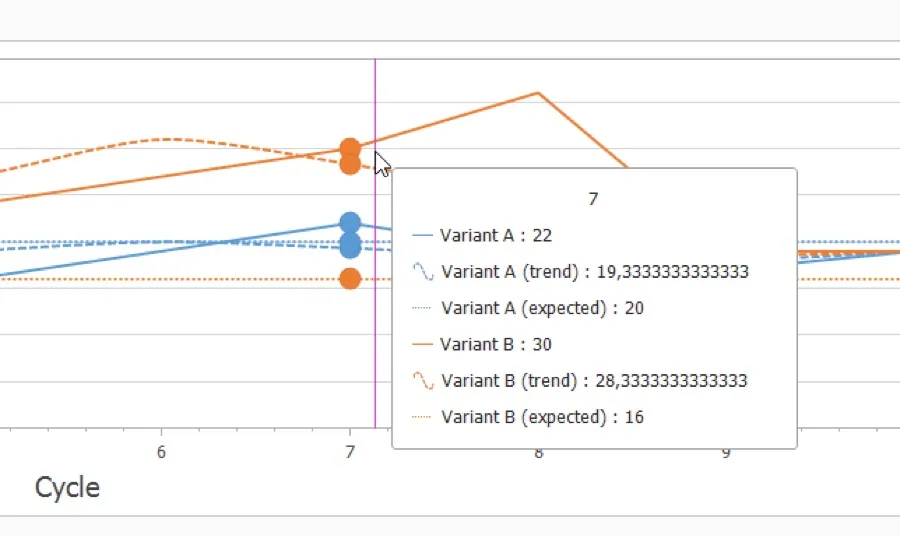
Cycle times, step durations, errors and output are logged per unit on the central server and exported to Power BI or other BI tools, so lines and sites can be compared on facts.
- One data model across sites
- Bottlenecks and costs made visible
- A factual basis for investment decisions
The business indicators Arkite affects.
- Down
Cost of poor quality
Fewer errors, less scrap, rework and complaints.
- Down
Dependence on key people
Know-how secured in the process.
- Down
Onboarding time
New staff productive earlier.
- Up
Standardization across plants
One validated way of working everywhere.
- Up
Workforce flexibility
People move between lines and products.
- Up
Decision data
Comparable figures from every manual station.
The size of each effect depends on your process. It is measured on your own pilot workstation and built into your business case.
From pilot to multi-plant standard.
- 01
Pilot workstation
Validate the business case in your own environment.
- 02
Production line
Extend the validated process along the line.
- 03
Multi-line rollout
New workstations connect to the same server. Projects are not rebuilt.
- 04
Entire plant
Assembly, kitting and packaging on one platform.
- 05
Multi-plant standardization
Export validated projects to other sites and maintain them centrally.
Build the business case on your own production data.
The business case for Arkite is built on your own production data. A pilot workstation is the most reliable way to validate these assumptions in your own environment before a wider rollout.
- Current error, scrap and rework rates, and the cost per defect
- Labor cost and cycle times
- Number of new operators trained per year and time to full competency
- Number of product variants and frequency of changes
- Cost of quality escapes and customer complaints
Questions from management
What return can we expect?
It depends on your error rates, labor cost, variant mix and turnover. We build the business case with your data and validate it with a pilot workstation before a wider rollout.
Does Arkite replace our MES?
No. Arkite integrates with MES and ERP and adds the operator execution layer they do not cover.
Can we standardize across plants?
Yes. The central server architecture lets you deploy and maintain the same work instructions, validation logic and quality standards across lines and sites.
Define a pilot with measurable objectives.
We align on business objectives, KPIs and scope, then validate them on a pilot workstation in your plant.