
Assembly knowledge kept at the workstation.
When products are built in high mix and some variants only a few times a year, the method cannot depend on memory. Arkite captures it once, guides every operator through it and validates each step.
Last updated
What we hear from machinery and equipment builders.
-
Some variants are built once a year, and nobody remembers the exact cable routing.
Rare variants
-
Our most experienced people are retiring, and their knowledge goes with them.
Knowledge retention
-
Under time pressure, torque sequences get shortened, and nobody sees it afterwards.
Critical fastening
-
Errors show up at commissioning or at the customer, where they cost the most.
Late detection
What Arkite does for machinery and equipment builders.
-
 Arkite GUIDE 01The challenge
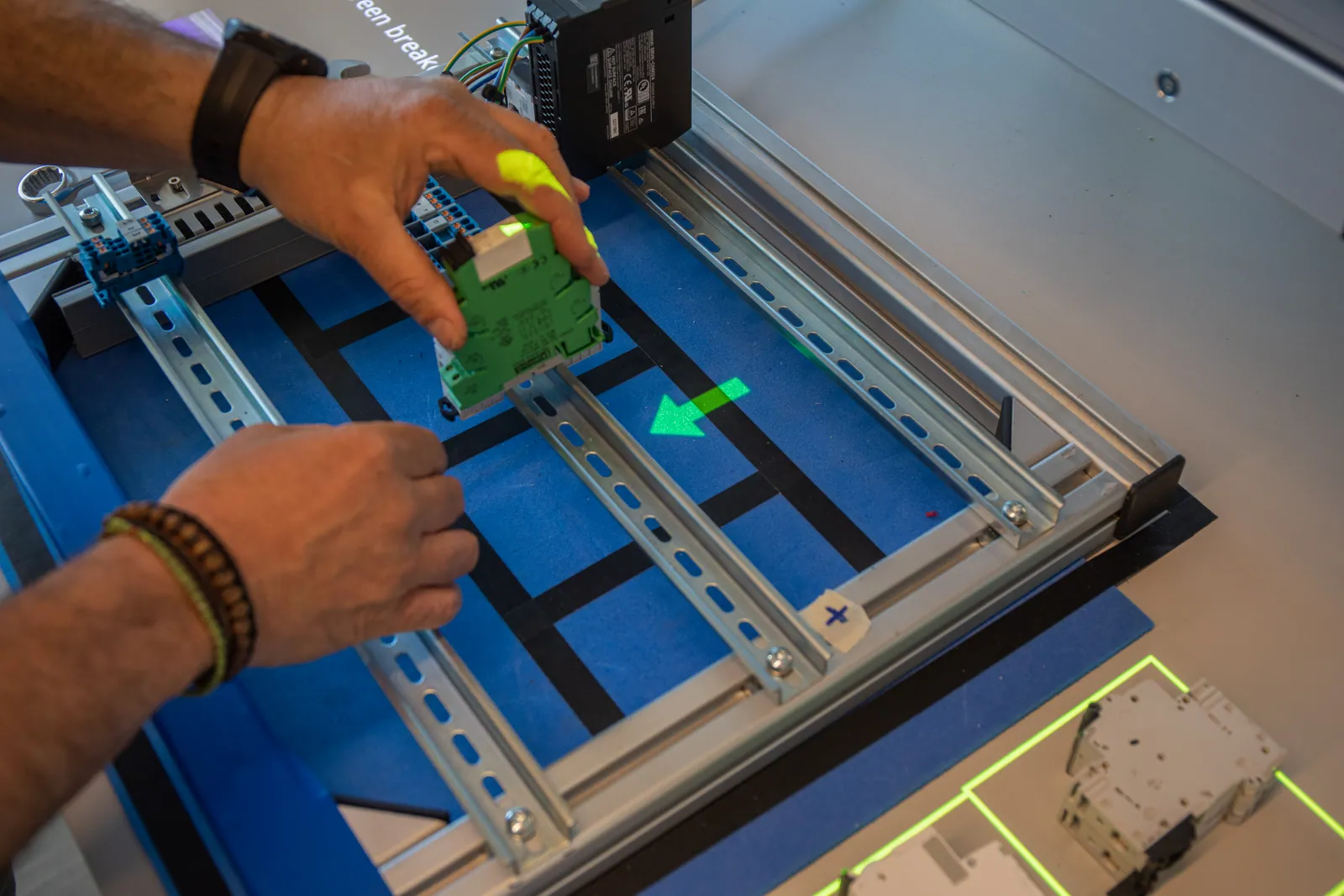
Process knowledge sits with experienced operators who are retiring or moving on.
How Arkite solves itCapture the method once
Engineers build jobs in the no-code editor with text, images, video and projections, in as many languages as needed. Shared steps are defined once for all variants, and new operators are guided step by step.
- Know-how secured in a maintained standard
- Interim staff productive sooner
- Instructions in every language
-
 Arkite Platform 02The challenge
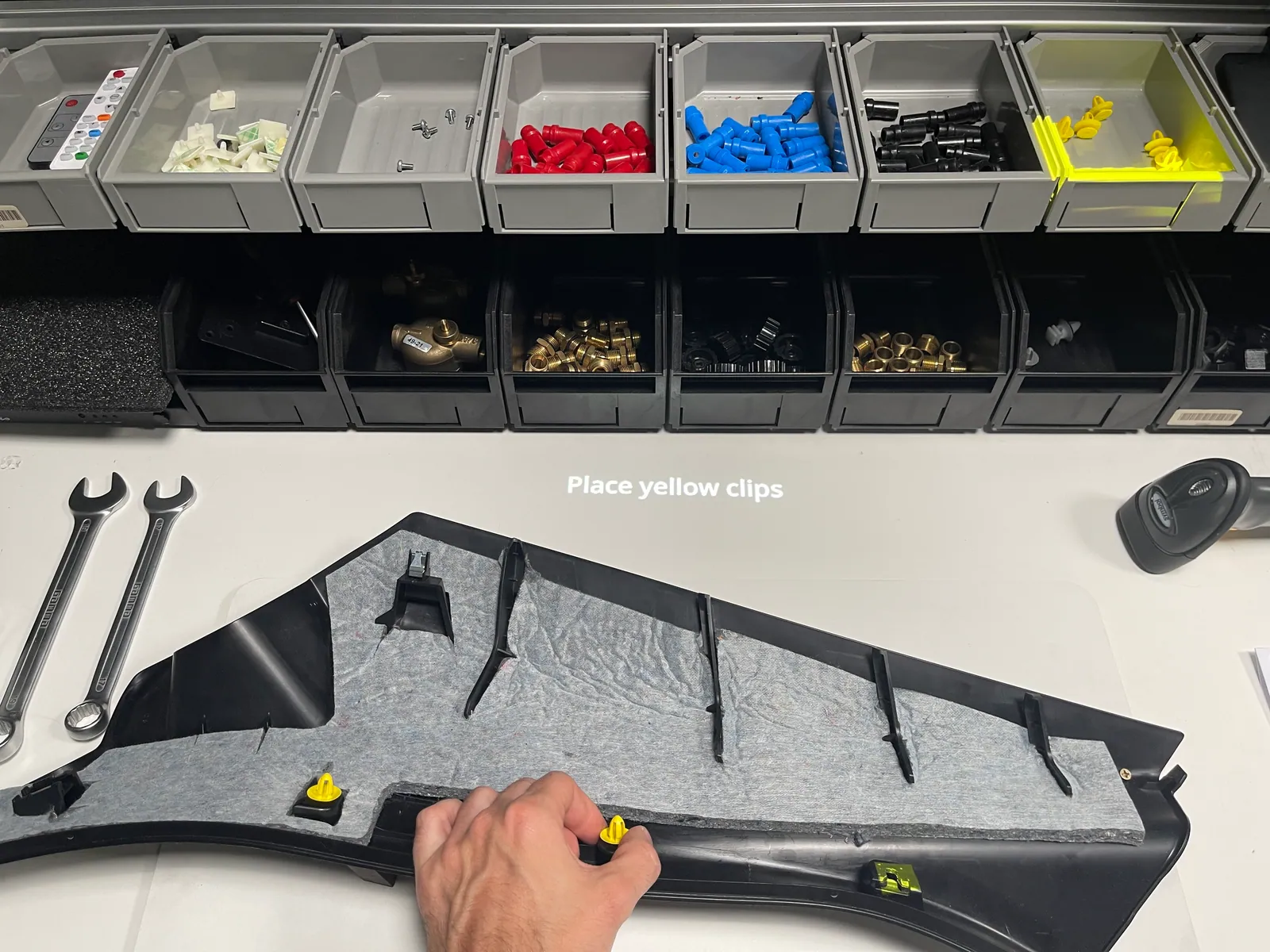
When a variant is built once or twice a year, the exact option set and routing are forgotten.
How Arkite solves itRare variants built like common ones
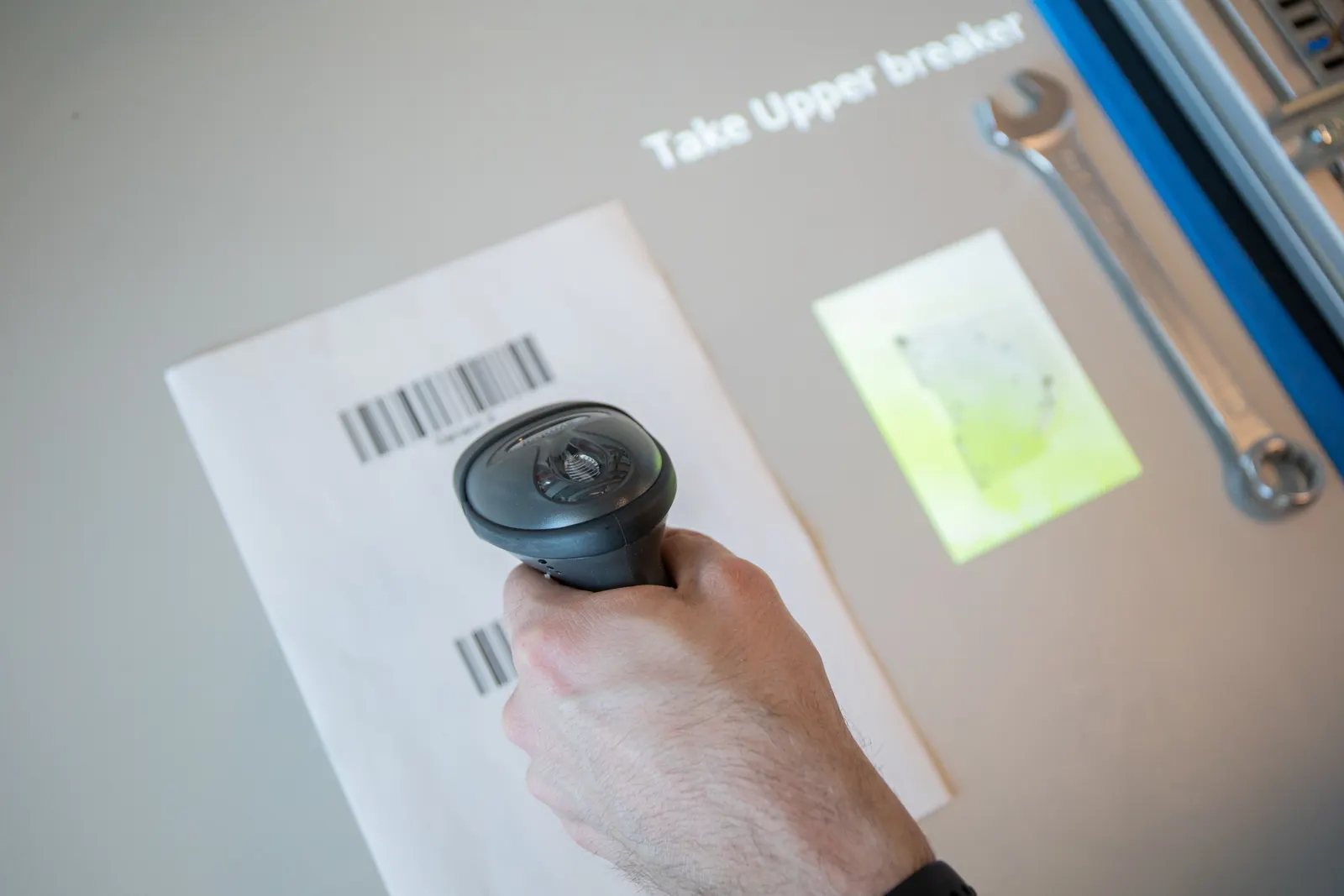
A barcode scan, the MES or the ERP determines the variant, so rarely built configurations follow the same released method as everyday ones.
- The correct variant every time
- No dependency on memory
- Variants maintained centrally
-
 Arkite VALIDATE 03The challenge
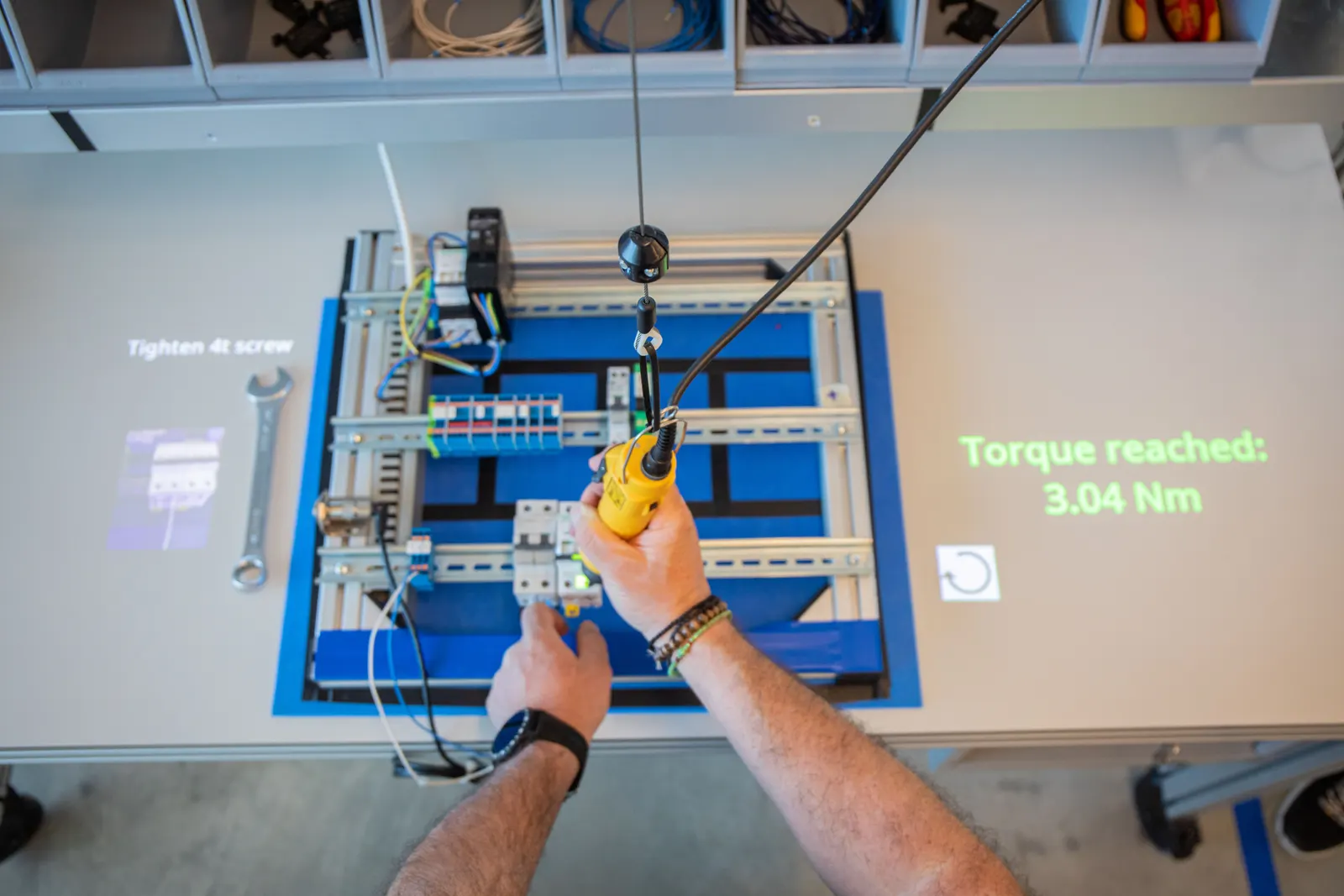
Fastening sequences with several torque stages are skipped under time pressure.
How Arkite solves itSequences and torque enforced
Smart tools are enabled only during the correct step, the torque program is selected automatically and confirmed before the next step. The 3D sensor validates picks and actions.
- No shortened sequences
- Torque logged per unit
- Errors stopped before commissioning
-
 Arkite DATA 04The challenge
It is unclear where operators lose time and which steps cause errors.
How Arkite solves itLearn from the data
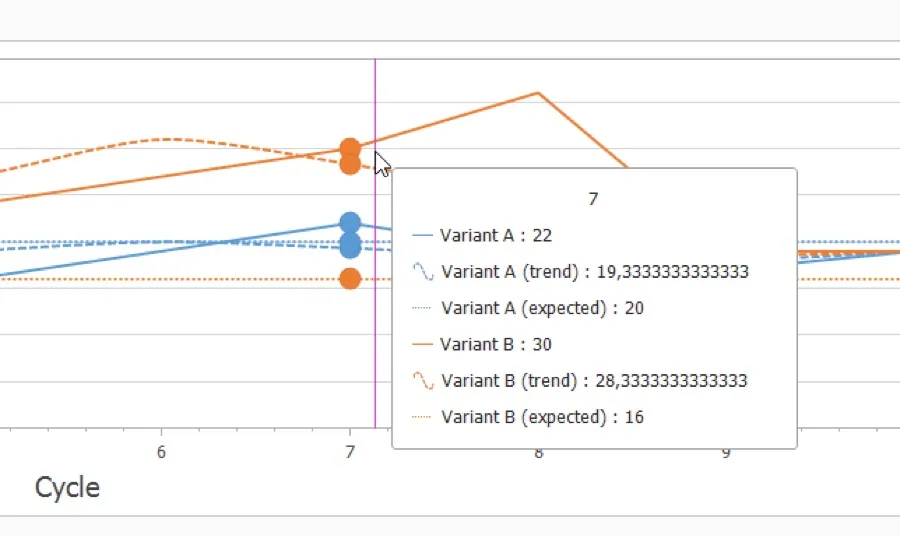
Cycle times, step durations and errors per job and variant show where operators lose time and where the process needs improvement. Data exports to Power BI or other BI tools.
- Bottlenecks per step
- Error hotspots per variant
- A factual basis for improvement
The topics that matter, and what Arkite does for each.
- High mix, low volume HMLV
One workstation for many products, with the job and variant loaded by scan or from the MES or ERP.
- Engineer-to-order ETO and configure-to-order
Job options combine into variants, so customer-specific configurations reuse the shared steps and add only what differs.
- Knowledge retention
The method of experienced operators is captured in a digital, maintained standard instead of in people.
- Standard work
One released, validated procedure for every operator and shift, the foundation for lean improvement.
- Cable routing
Projected routing per variant, step by step, with validation of each action by the 3D sensor.
- Torque sequences
Multi-stage fastening enforced in the right order, with each torque value confirmed and logged.
Machinery, equipment and appliance builders running Arkite.








What Arkite did for them
 Customer story · Agricultural machinery CNH Industrial: 72 screws, the right sequence, the right torque. Read the story
  Customer story · Industrial MADE by Bosch Rexroth: complex valve assembly, guided step by step. Read the story Customer story · Industrial Groupe Brandt: complex controller assembly, validated at every step. Read the story Customer story · Consumer products Dorel and Senzer: complex assembly made accessible to every operator. Read the story
  Customer story · Industrial METTLER TOLEDO: deployed across the factory, run by its own teams. Read the story
 Where equipment builders use Arkite
Questions from equipment builders
Is Arkite worth it for low-volume production?
Low volume and high mix are where memory and paper instructions fail most often. Arkite manages variants through job options, so the effort goes into shared steps and the specific differences, not into separate instructions for every variant.
Do we need programmers to maintain the instructions?
No. Arkite is built on a no-code workflow engine. Process engineers can create and maintain projects independently after approximately two days of training.
How do we scale from one station to the plant?
Start with a pilot workstation. Because projects, users and data are managed on the central Arkite server, new workstations connect to the same server and proven jobs can be deployed to them directly.
Discuss your assembly process
Show us a station with rare variants or critical sequences. We will walk through how Arkite would capture, guide and validate it.